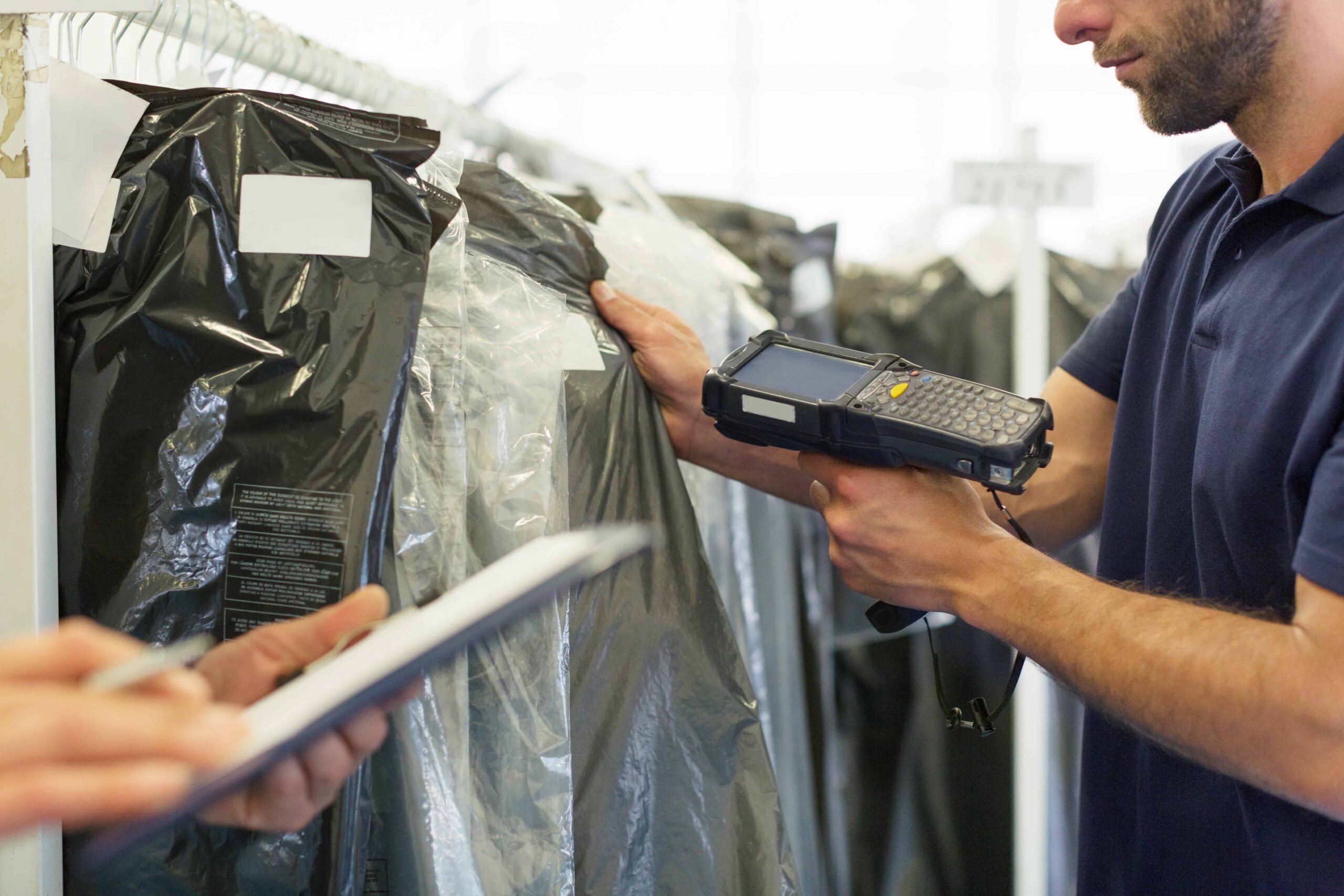
Healthcare departments and commercial kitchens both need clean linens delivered on time, but they're often dealing with separate vendors, separate schedules, and separate headaches. That creates confusion, extra work, and gaps that nobody has time for.
At Tipton Linen, we handle both medical and food service textiles under one program. We work with healthcare garments, medical linens, table linens, towels, and aprons across Cape Girardeau, St. Louis, Western Kentucky and Southern Illinois.
Everything stays on schedule, infection control standards stay consistent, and your team doesn't have to juggle multiple vendors to keep things running.
What Tipton Linen Provides for Healthcare and Foodservice Teams
A balanced
linen service works best when one partner manages the routing while maintaining process separation between clinical textiles and kitchen textiles. We know that healthcare teams and foodservice teams want a provider that understands their daily workload, soil levels, storage needs, delivery timing, and hygienically clean expectations.
Our team provides:
Medical & Healthcare Textiles
- Patient bedding (sheets, fitted linens, pillowcases)
- Patient and surgical gowns
- Towels and washcloths for clinical use
- Scrubs and lab coats for healthcare staff
- Microfiber mops and clinical cleaning cloths
- Dust control textiles for hallways, exam rooms, and resident care spaces
Food & Beverage Textiles
- Dining table linens
- Towels and aprons for kitchen staff and service teams
- Reusable towels that reduce disposable waste
- Grease, oil, and food soil removal through controlled wash cycles
- Rotating inventory so textiles are replaced before wear becomes visible
Facilities searching for linen service in St. Louis, MO often want a partner that can handle both sides of their operation without unnecessary confusion. We meet that need by coordinating delivery schedules and managing textiles responsibly.
How Facilities Lose Time When Linen Programs Are Out of Sync
Laundry programs look simple until you manage one. In dual-department facilities, the problems show up quickly:
- A nursing unit might need gowns early in the morning, but deliveries arrive later than expected.
- Kitchens might receive table linens in the wrong count, forcing staff to reshuffle stock.
- Environmental teams might wait on sanitized microfiber mops, slowing room readiness.
- Multiple vendors mean multiple phone calls, repeated explanations, and slower fixes.
- Textile wear goes unnoticed longer, increasing replacement costs.
When linen schedules, inventory counts, and communication channels don’t line up, staff spend their time solving laundry instead of supporting patient or dining needs. That time loss affects infection control routines, patient comfort, dining presentation, and overall compliance readiness.
How Medical and Kitchen Textile Needs Collide in Busy Facilities
Medical textiles and kitchen textiles live in the same building but require very different laundering formulas and handling standards. A facility needs bedding and gowns that meet infection control expectations, while kitchens need table linens and towels that remove heavy grease and food soils without causing skin irritation or early fabric breakdown.
Balancing these needs means:
- Coordinating delivery timing for both departments
- Protecting clinical textiles until use
- Removing kitchen soils effectively at scale
- Keeping inventory counts accurate for audits
- Protecting staff and patients through hygienically clean standards
A professional medical linen service in St. Louis, MO partner manages this balance through process discipline, not improvised laundry routines.
How Linen Rotation Affects Infection Control and Dining Presentation
Linens that stay in circulation too long eventually create issues. In healthcare, worn sheets can bunch, tear, or irritate skin. In kitchens, worn towels absorb less and hold soils longer. Both situations increase infection risk and affect patient and dining impressions.
Good rotation does this:
- Pulls damaged textiles before they reach patient areas
- Keeps bedding fitting properly on mattresses
- Ensures gowns tie and cover as intended
- Keeps towels absorbing as they should
- Removes kitchen grease and food soils predictably
- Maintains a crisp dining presentation for patient and visitor impressions
We treat linen rotation as part of infection control and daily facility confidence, not a secondary task.
Compliance Becomes Simpler When Linen Programs Make Sense
Healthcare compliance teams look for consistency, separation practices, sanitation results, and documentation. A local linen partner makes compliance easier by keeping wash cycles repeatable, deliveries predictable, and inventory counts audit-ready without stretching staff responsibilities into areas they were never trained to handle.
Tipton Linen’s medical linen service helps facilities:
- Maintain hygienically clean textile results
- Avoid cross-contact between clean and soiled items
- Keep documented wash consistency
- Maintain realistic stock levels for audits
- Reduce emergency orders caused by shortages
- Protect patient rooms and dining areas without daily laundry chaos
Work With a Regional Linen Team That Answers the Phone
National linen companies often feel distant to facility staff. Local providers become real partners because communication happens faster and expectations stay more predictable.
When facilities
switch to Tipton Linen, they get:
- Faster changes when volume or census shifts
- Direct communication with route reps who know the layout
- Fewer delivery disruptions tied to long-distance routing
- A partner invested in Missouri healthcare routines
- Linen programs built around actual daily soils, not guessing
Talk to Our Team About Your Facility’s Linen Needs
If your facility wants a medical and foodservice linen program built around infection control, accountability, and reliable routes, Tipton Linen is ready to help.
Call
1-800-533-5670 or request a quote through our website. Our team handles pickup, laundering, inspection, inventory rotation, packaging, and delivery so your departments stay clean, stocked, and focused on patient care and dining service.